
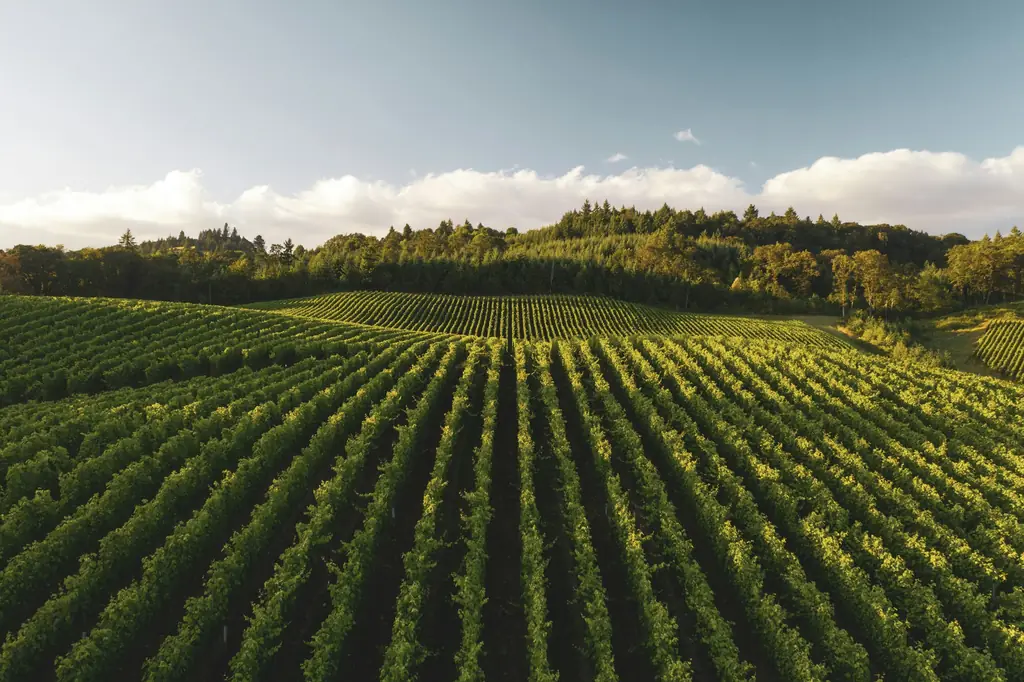
Soil, water, climate and access — the essential factors to study before deciding where to locate an agricultural project.
Choosing a project site is a decision with long-lasting effects. The site largely determines what can be grown, operating costs, production quality and access to markets — so it deserves careful study.
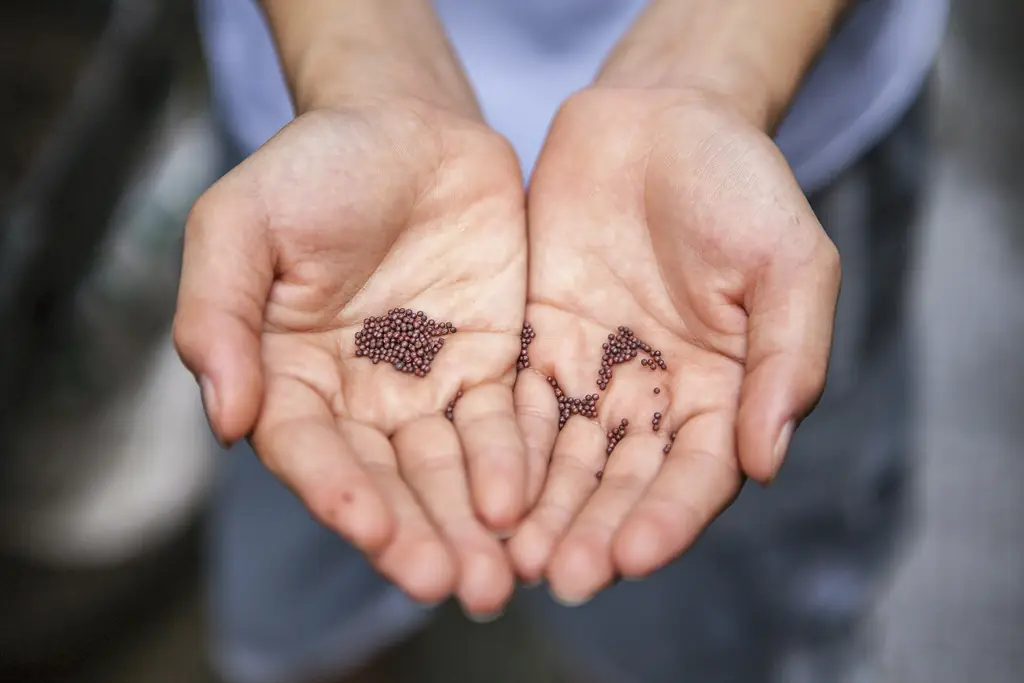
Soil: the foundation of everything
Soils differ in texture, characteristics and their ability to hold water and nutrients. Understanding the soil helps choose the right activity and identify any improvement it needs before planting.
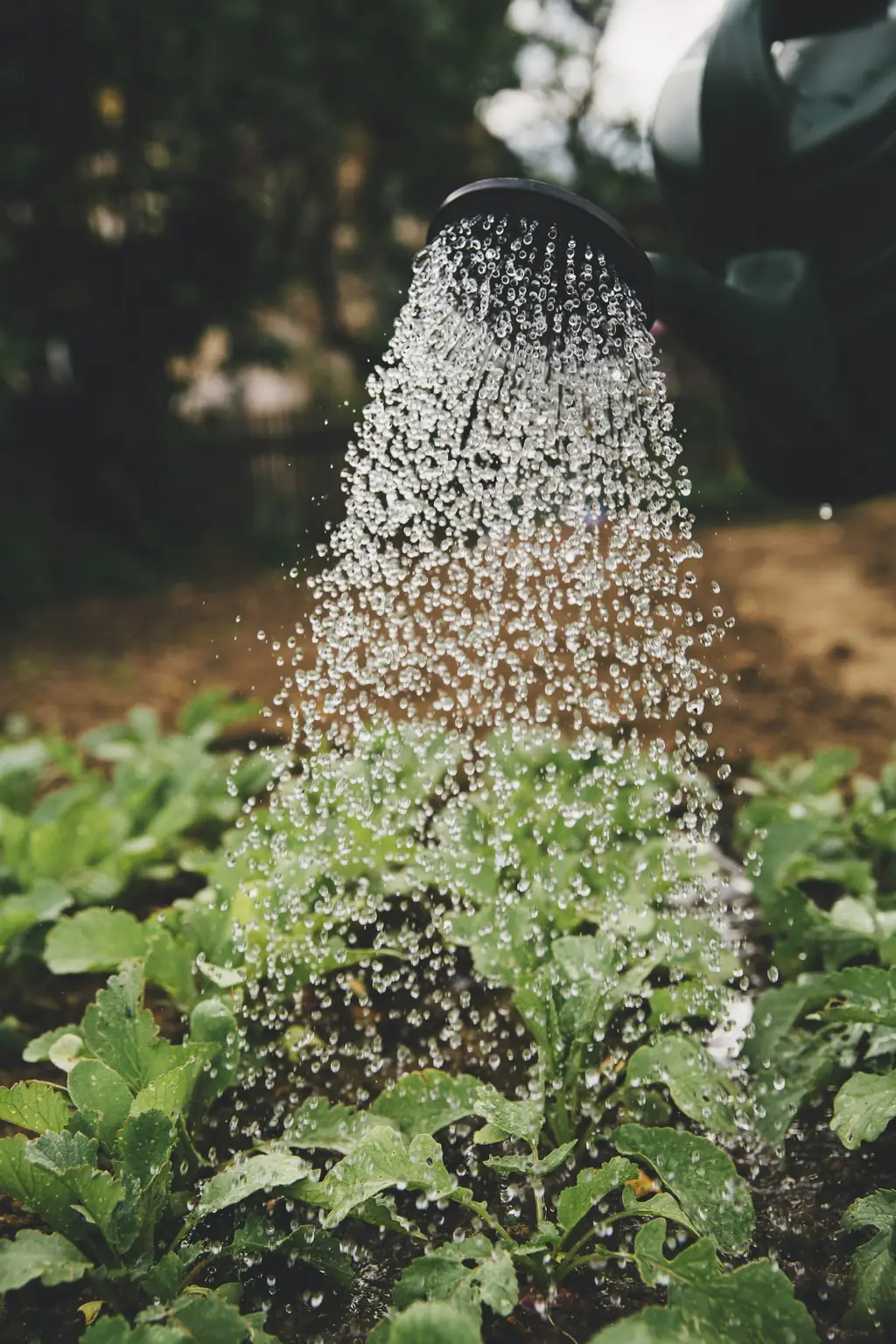
Water: non-negotiable
A suitable, reliable water source is among the most important site criteria. Assessment covers the quantity available, its quality and continuity, and how it will be delivered to planted areas.
Climate and surroundings
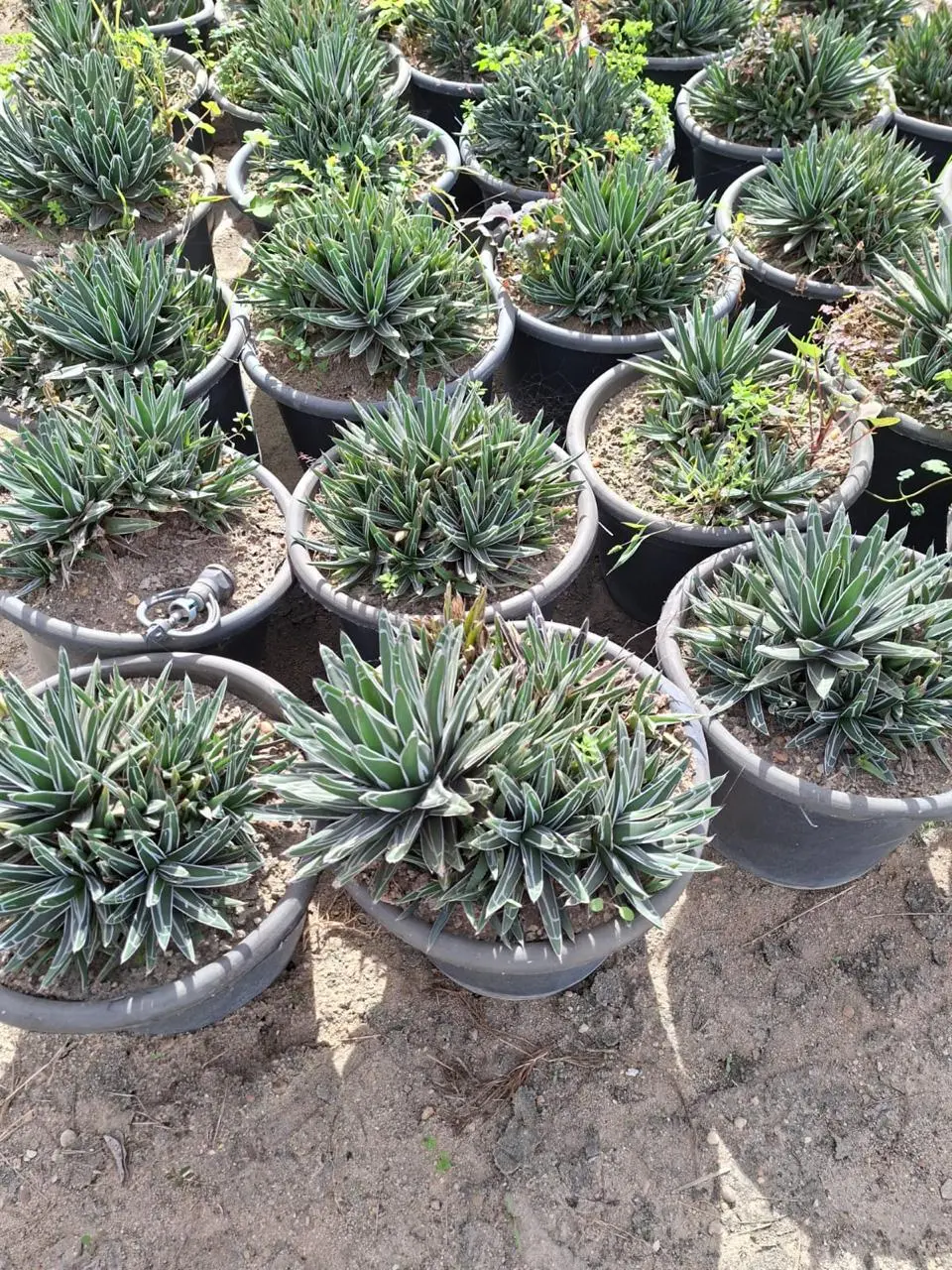
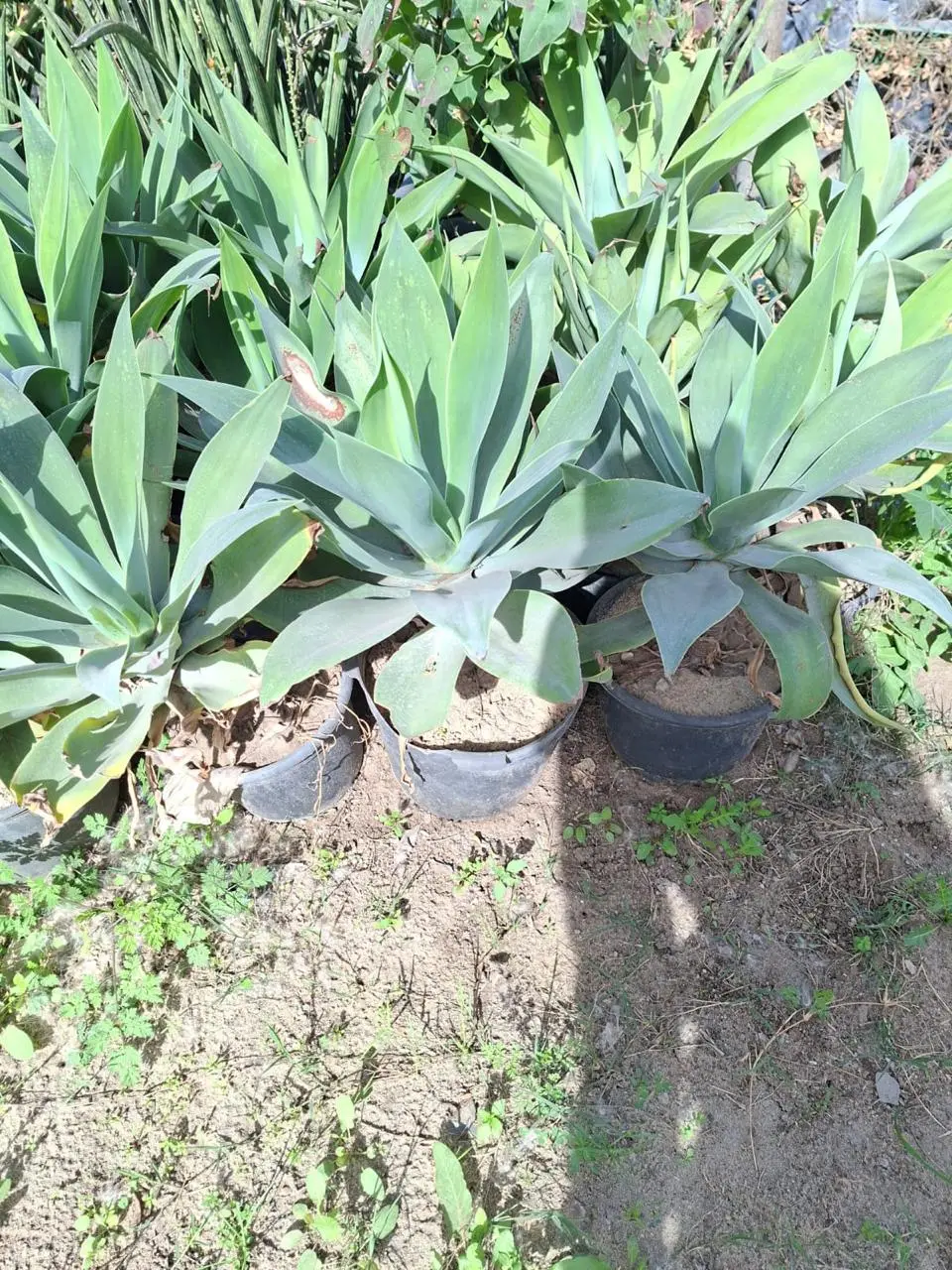
Temperature, wind, sunlight and humidity all influence which crops are suitable — and whether solutions such as greenhouses, windbreaks or shading are needed.
Practical factors that matter just as much
- Ease of access for workers and equipment.
- Basic services such as power and roads.
- Proximity to markets or distribution points.
- Room for future expansion.
The right site is not necessarily the perfect one — it is the one that fits the project’s nature and goals.
Either way, visiting the site and assessing it with a specialist eye remains an essential step before making the final decision.
This article is general educational content; application varies from project to project.