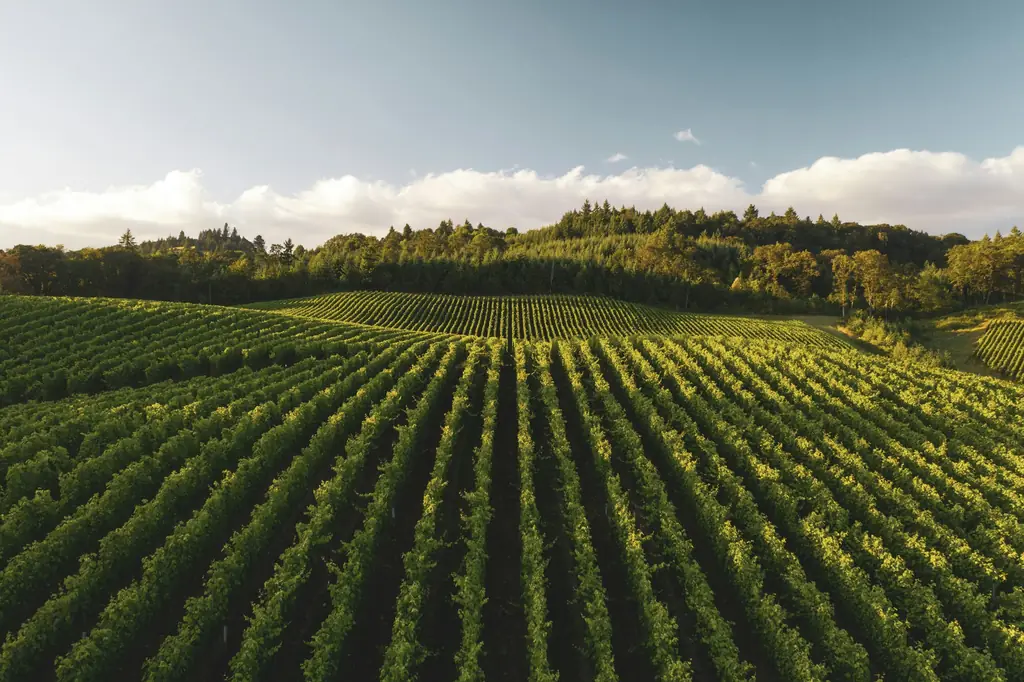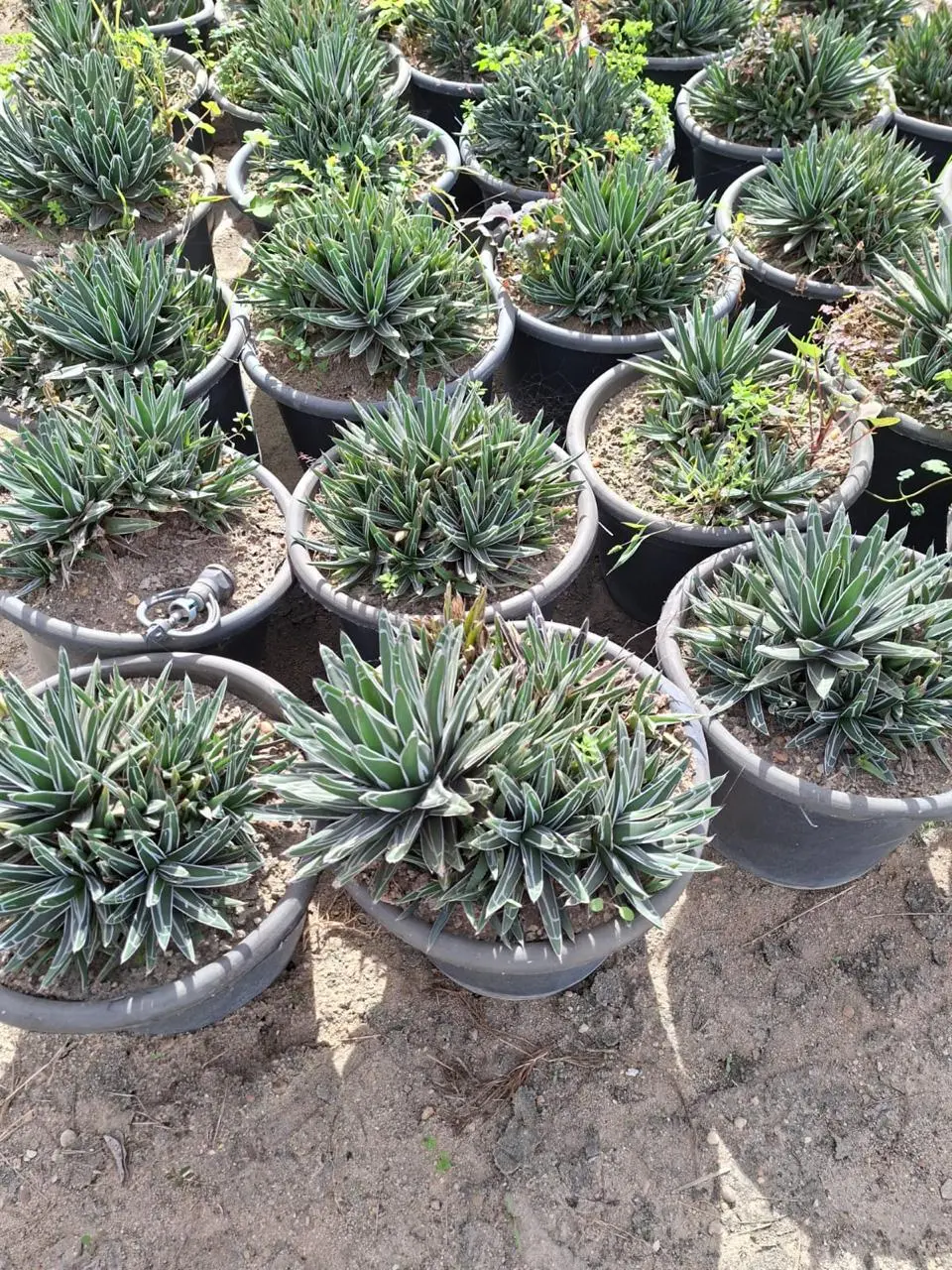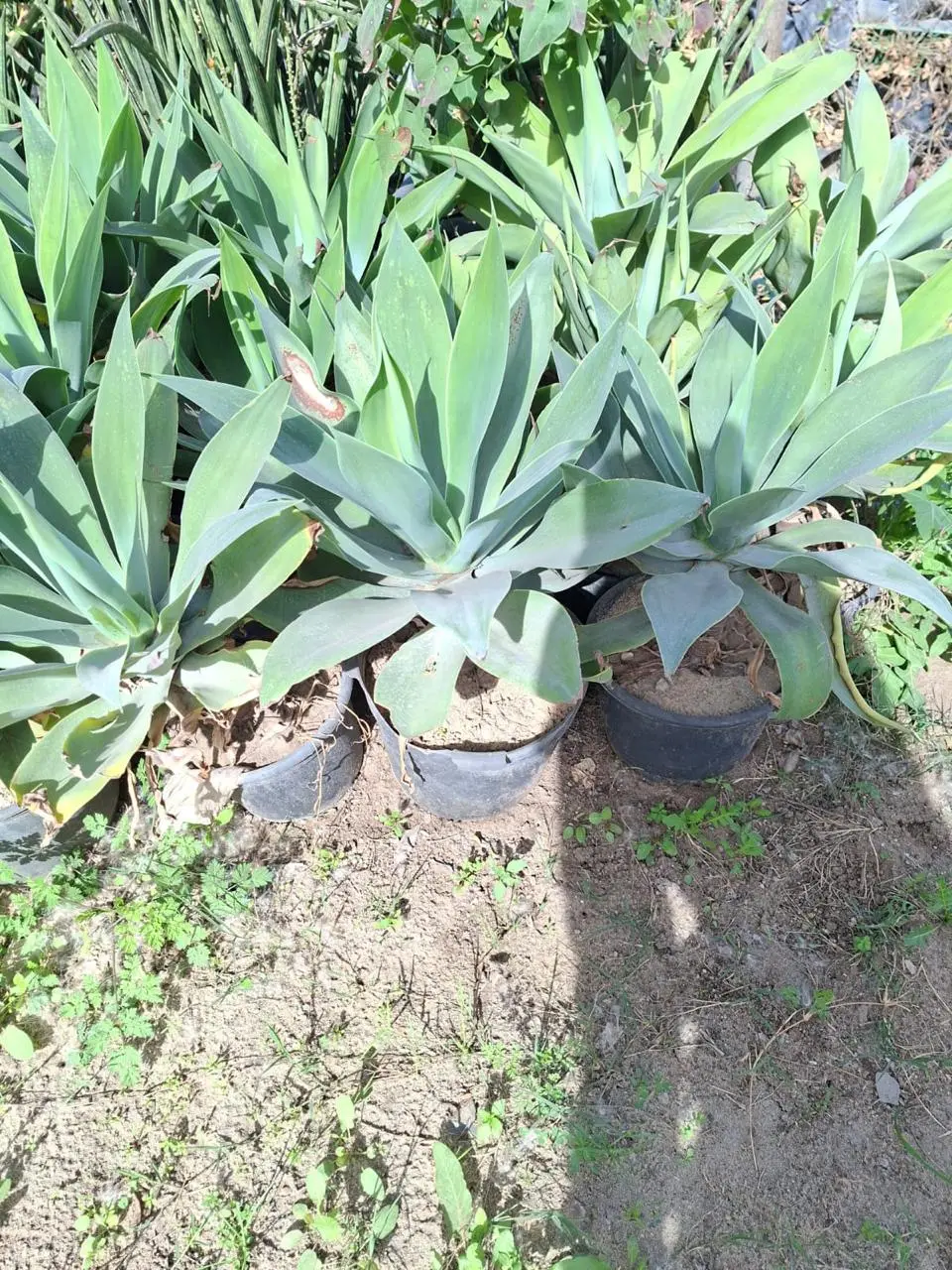


Why good planning is the most important step in any agricultural project — and what a plan should cover before work begins.
Many project owners are eager to start right away: the land is available and the idea feels clear. Yet experience shows that time invested in planning before implementation is some of the most valuable time in a project’s life.
Planning turns an idea into a roadmap
However good an agricultural idea is, it needs a practical translation: What will we grow? Where? Using which approach? What resources are required, and over what timeline? Planning answers these questions and turns the idea into clear, trackable steps.
Core elements of an agricultural project plan
- Clear, measurable project goals.
- A study of the site, soil, water sources and climate.
- Choosing the right activity and farming approach.
- Designing the layout and required infrastructure.
- A realistic timeline for each implementation stage.
- Estimating resources and setting priorities.
Planning reduces surprises
Many challenges projects face during implementation could have been anticipated earlier. When influencing factors are studied in advance, decisions become calmer and the risk of rework or mid-course changes drops.
A good plan does not remove uncertainty — it gives you the confidence to handle it.
Flexibility is part of planning
Good planning is not a rigid document but a clear framework that allows adjustment when needed. Agricultural conditions change by nature, and a successful plan sets direction while leaving room to adapt.
In the end, planning is the first investment in an agricultural project — and the one that gives every later stage a solid foundation.
This article is general educational content; application varies from project to project.