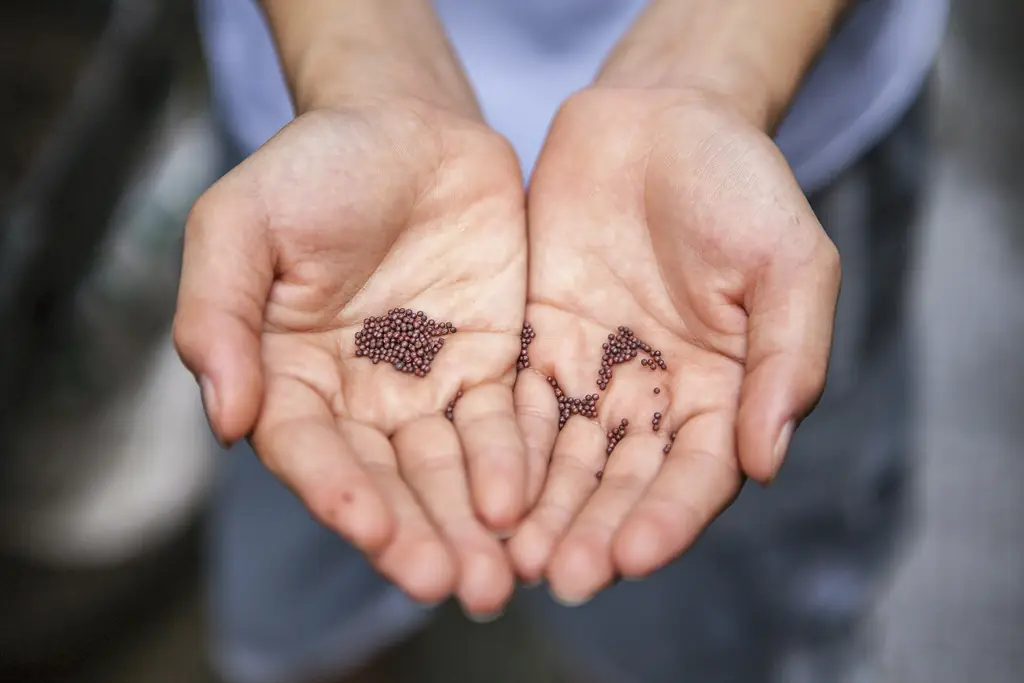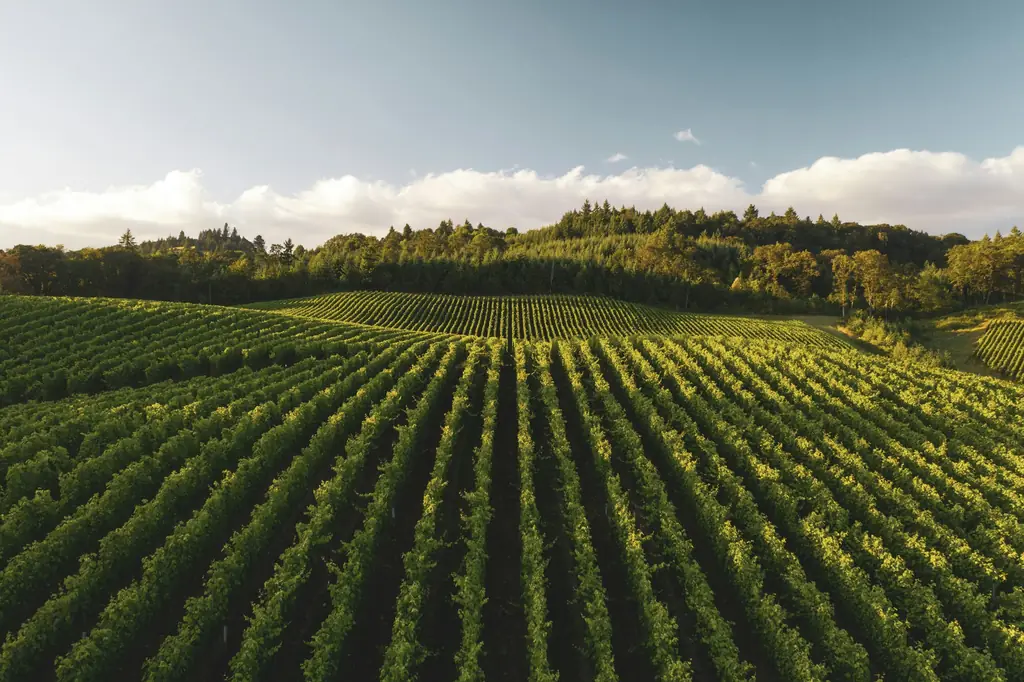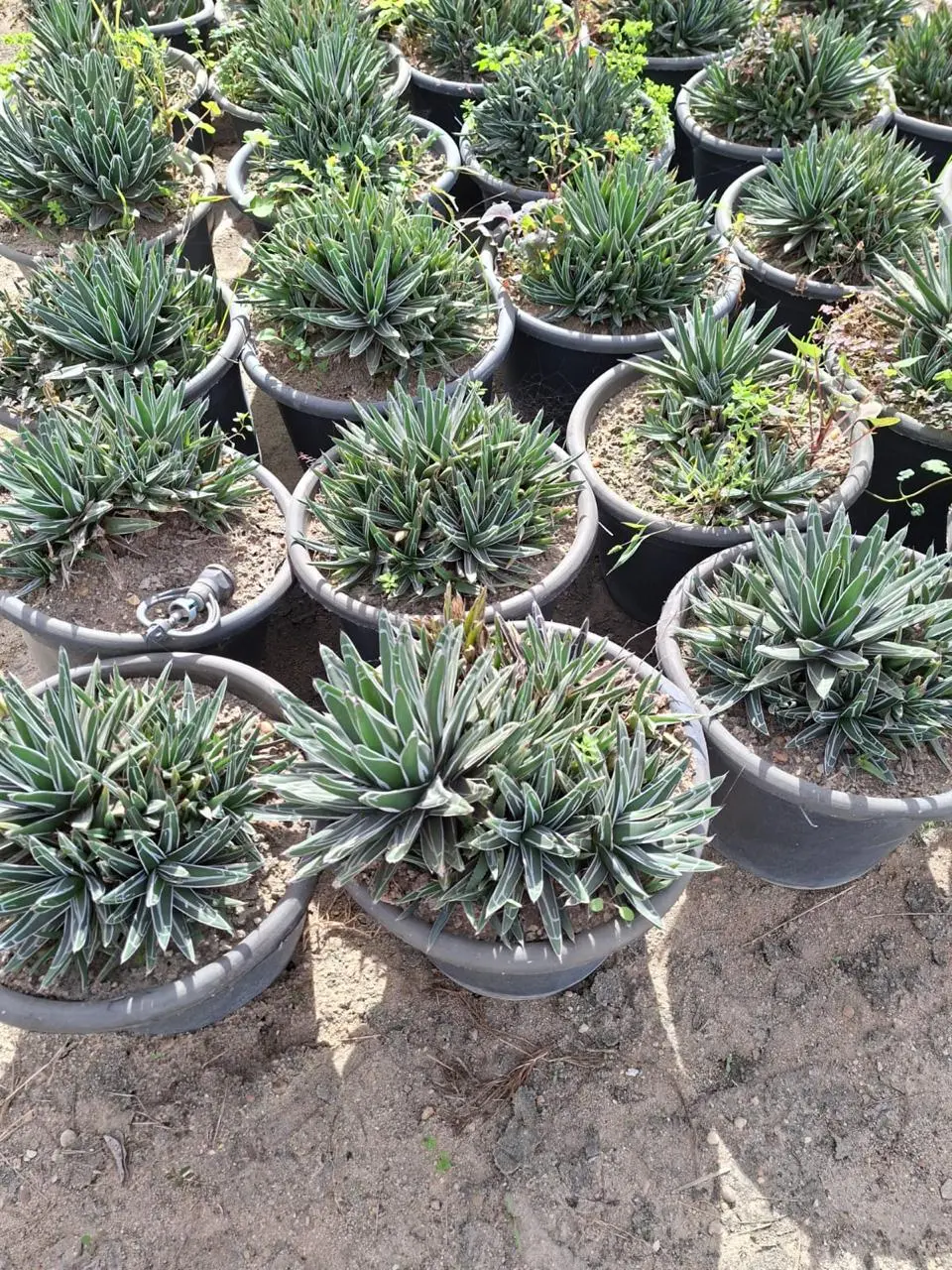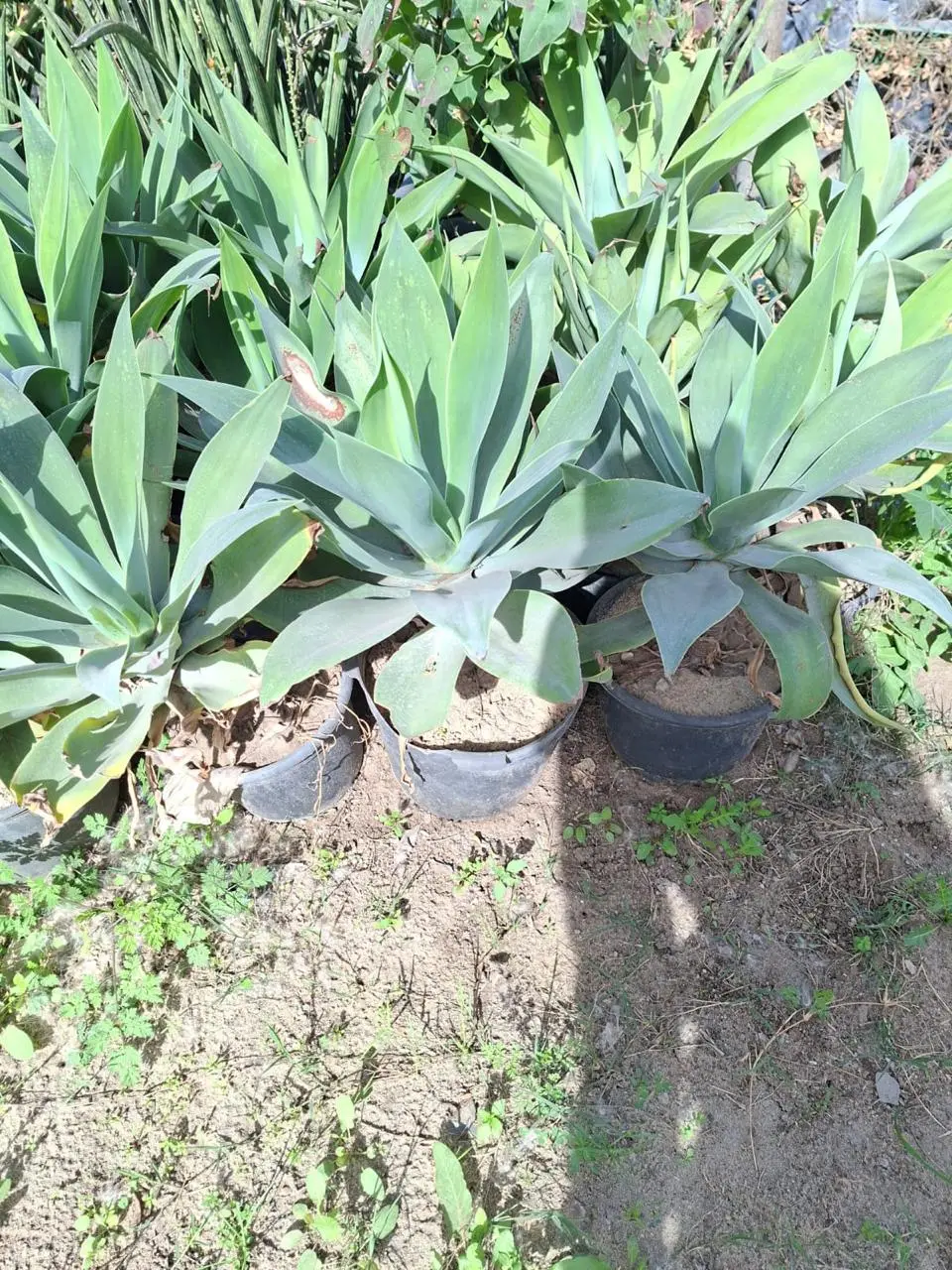
A simple guide to the essential stages of building an integrated agricultural project, from first idea to follow-up and development.
An integrated agricultural project is one whose stages are managed under a single vision, so each stage serves the next. Here is a simple overview of the essential stages.
1. A clear idea and goals
Everything starts with one question: what do I want to achieve? Clear goals make the right decisions easier at every later stage.
2. Site and project study
Assessing land, water, climate and practical factors gives a realistic picture of potential and challenges.
3. Planning and design
Turning the study into a design and an implementation plan with clear timelines and priorities.
4. Construction and setup
Preparing the land and building infrastructure — irrigation, greenhouses and nurseries — according to the project’s needs.
5. Cultivation and production
Starting to plant and applying care and monitoring programmes through to production.
6. Marketing, follow-up and development
Connecting output to the right market, and continuously reviewing results to improve performance and ensure sustainability.
The strength of an integrated project lies in the connection between its stages — not in any single stage.
Building the team’s capabilities matters as much as any other stage: people are what keep a project successful over time.
This article is general educational content; application varies from project to project.